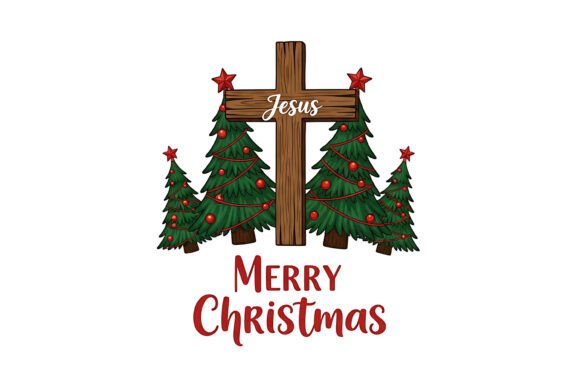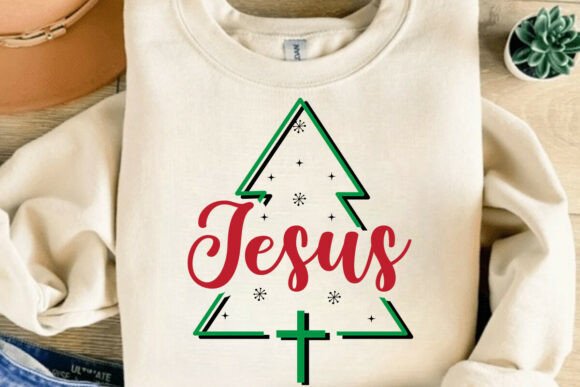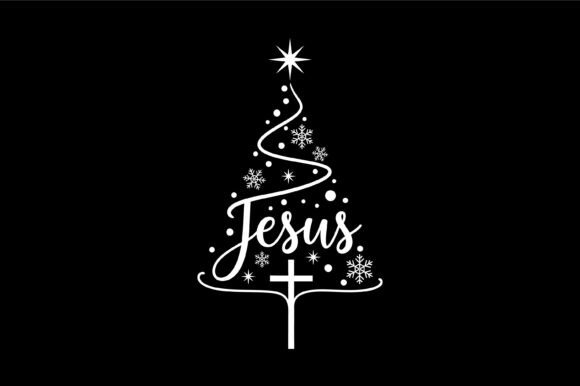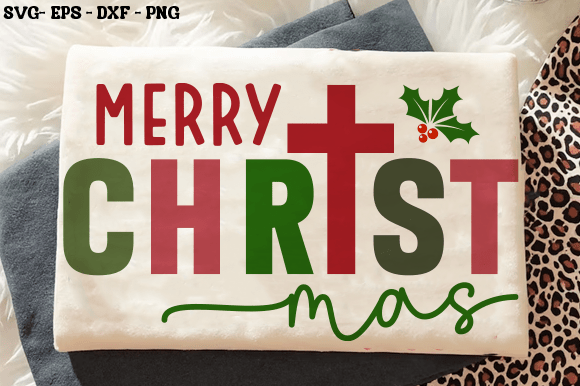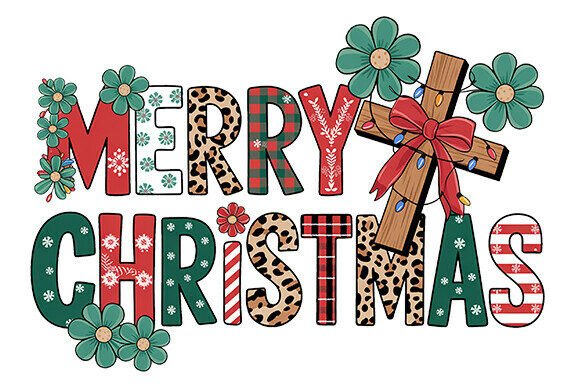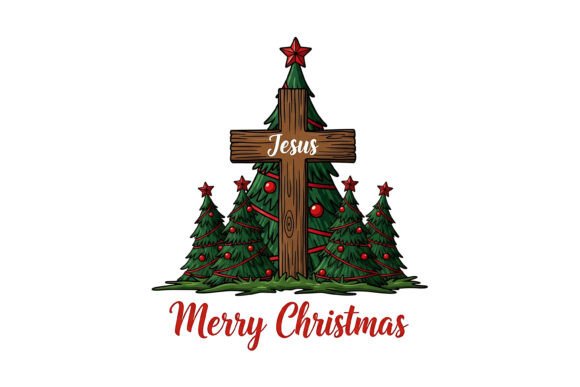
Jesus Cross Merry Christmas Tree
A Thoughtful Stitch Before the Hoop Goes Down
As someone who’s digitized, stitched, and sold hundreds of holiday embroidery designs — from delicate nativity motifs to bold festive typography — I approached Jesus Cross Merry Christmas Tree not as a seasonal download, but as a potential teammate in real projects. Last week, I used it for a custom embroidered linen tea towel destined for a church bazaar booth — soft fabric, light thread, no room for sloppy edges or muddled symbolism. That’s where this design revealed its true character: quiet confidence, not flashy ornamentation.
First Impression: Reverent, Not Rigid
The layout feels intentionally balanced — a central cross subtly integrated into a stylized Christmas tree silhouette, with “Merry Christmas” arched above and “Jesus” anchored below. It’s not cartoonish, nor is it overly ornate. The lines are clean, the proportions generous enough for readability at 3.5–4 inches tall, and the negative space breathes. This isn’t a design that shouts; it invites pause. For T-Shirt Designs buyers, that matters: it reads as handmade intention, not mass-produced clip art.
Where It Shines (and Where It Asks for Care)
I’ve stitched Jesus Cross Merry Christmas Tree on six different substrates so far — medium-weight cotton tees, brushed poly sweatshirts, twill tote bags, baby-soft interlock onesies, linen pillow covers, and even a structured denim apron. Its performance shifts meaningfully across them:
- On smooth, stable fabrics like midweight cotton or linen: excellent stitch definition. Satin-stitched outlines hold crispness, fill stitches lay evenly, and the lettering remains legible without overscaling.
- On textured or loosely woven surfaces (like heavy canvas totes or bouclé sweatshirts): I added a lightweight cutaway stabilizer underneath and slowed my machine speed by 15%. The cross detail stayed intact — no skipped stitches in the vertical stem.
- On stretchy or thin fabrics (baby onesies, lightweight rayon blends): a tear-away + topping combo was essential. Without it, the “Jesus” text softened slightly — fine for gifting, but not ideal if you’re selling high-end personalized baby embroidery where clarity is part of the value.
- On dark fabric: tested in navy and charcoal. Light ecru or cream thread pops beautifully — no need for white, which can look harsh. Avoid pastel threads unless you’re aiming for subtlety over impact.
Real-World Fit: More Than Just a T-Shirt Design
This isn’t just a T-Shirt Designs staple — it’s a versatile anchor for meaningful merchandise. I’ve seen it work well on:
- Embroidered patches for church youth groups (heat-applied or sewn-on)
- Personalized kitchen towels for holiday hostess gifts
- Nursery decor — stitched onto organic cotton muslin wall hangings
- Boutique sweatshirt collections paired with minimalist typography
- Etsy listings where customers search for “faith-based holiday embroidery” or “Christian Christmas gift”
It avoids visual clutter, so it scales cleanly from 2.75" (for a baby bib) up to 5.5" (on a tote bag front). That flexibility makes it a smart design asset for craft businesses juggling multiple product lines.
What to Watch For — Practical Designer Notes
Before stitching your first client piece or listing a finished product, here’s what I recommend:
- Test on scrap fabric first — especially if using textured, dark, or stretchy material. Check how the cross arms and tree base register.
- Review stitch density: this design leans moderate — not ultra-dense, not sparse. That’s good for wearability, but confirm it aligns with your brand’s preferred texture (e.g., boutique vs. rustic).
- Confirm hoop size compatibility: it fits comfortably in a 4"x4" hoop at standard sizing, but verify before hooping expensive garments.
- Inspect small details: the junction where the cross meets the tree trunk is tight — zoom in digitally before stitching. If your machine struggles with tiny directional changes, consider a slight manual edit to simplify the join.
- Mock it in black and white: does the shape still read clearly? Does “Jesus” stand out against the tree form? I found it did — a strong sign of thoughtful digitizing.
- Use proper stabilizer: medium cutaway for knits, lightweight tear-away for wovens, topping for napped fabrics.
- Check licensing: if you plan to sell finished embroidered items (e.g., Etsy sweatshirts) or resell the digital embroidery file itself, confirm usage rights. This isn’t implied — it must be stated.
Why It Builds Trust — Not Just Decoration
In a market flooded with generic snowflakes and candy canes, Jesus Cross Merry Christmas Tree communicates intentionality. Customers notice when symbolism is handled with reverence instead of repetition. When stitched cleanly on a premium tote or baby blanket, it elevates the entire handmade product — signaling care in both message and craft. For Etsy sellers and small shop owners, that translates directly to perceived value, repeat buyers, and word-of-mouth referrals from faith-based communities.
Final Thought: A Design That Serves the Story
This isn’t background decoration. It’s a quiet statement — one that works hardest when it’s *not* trying too hard. Whether you're embroidering a last-minute personalized gift or building a cohesive holiday collection for your craft business, Jesus Cross Merry Christmas Tree delivers clarity, warmth, and quiet professionalism. Just remember: let the fabric, stabilizer, and thread choices support its simplicity — not compete with it.