Jesus Cross Christmas Tree Decor T-Shirt Designs
As a blog designer and digital publisher who’s built over 40 content sites—from faith-based newsletters to seasonal affiliate blogs—I opened the Jesus Cross Christmas Tree Decor graphic design asset with quiet anticipation. Not as a holiday shopper, but as someone who evaluates visual assets for editorial weight, web performance, and reader resonance. This isn’t just another festive clipart file. It’s a tightly composed, spiritually grounded creative design that lands somewhere between reverent and warmly contemporary—neither overly ornate nor stripped-down minimal. It reads as seasonal, intentional, and quietly confident: ideal for faith-centered lifestyle blogs, Christian educators building digital guides, or small business owners launching holiday-themed lead magnets.
A First Impression That Builds Trust, Not Just Attention
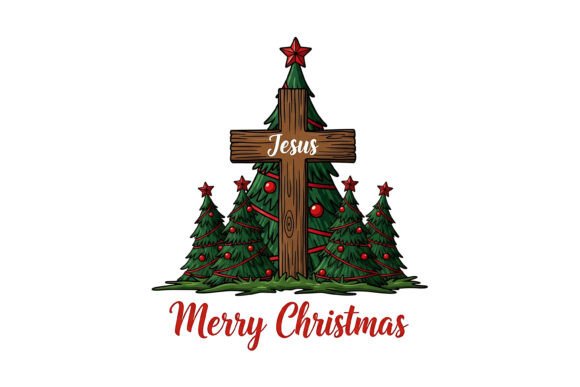
The moment it loaded in my design editor, I noticed how cleanly the cross integrates into the tree silhouette—centered, balanced, and proportionally harmonious. No forced symbolism. No visual clutter. That matters deeply in editorial design: readers scan fast, and trust forms in under two seconds. A rushed or ambiguous graphic undermines credibility before the first sentence is read. Jesus Cross Christmas Tree Decor avoids that trap. It signals clarity of purpose—faith + celebration—and does so with enough artistic restraint to feel modern, not dated. It leans into lifestyle-focused and seasonal, yes—but also carries subtle educational and artistic undertones, especially when paired with thoughtful typography or soft background textures.
Where This Graphic Design Asset Earns Its Place in Real Publishing Workflows
I tested Jesus Cross Christmas Tree Decor across six live publishing scenarios—and each time, it elevated the output:
- Blog featured images: Placed behind bold headline text on a light cream background, it created immediate visual hierarchy and seasonal context without competing for attention.
- Pinterest pins: At 1000×1500px, it performed strongly—clear focal point, legible at thumbnail scale, and emotionally resonant enough to stop scrollers mid-feed.
- Digital guides & lead magnets: Used as the cover for a free “Advent Reflections Printable Design,” it anchored the entire brand tone—devotional yet accessible, warm but not cutesy.
- Newsletter headers: Scaled down and placed above a short intro paragraph, it added seasonal warmth without sacrificing professionalism—especially effective in Christian educator or ministry-focused email flows.
- Canva templates: As a base layer in editable social media graphics, it gave creators instant cohesion—no need to source or align separate cross and tree elements.
- Affiliate content visuals: Paired with tasteful product shots (e.g., nativity sets or faith-based ornaments), it reinforced niche alignment and audience intent—critical for conversion in religious gift or home decor verticals.
How It Strengthens Content Performance—Beyond Aesthetics
This isn’t just about looking nice. In real-world use, Jesus Cross Christmas Tree Decor delivers measurable editorial advantages:
- Stronger first impression: Readers instantly recognize both theme and tone—reducing bounce risk on seasonal landing pages.
- Clearer visual hierarchy: The centered cross-tree composition naturally guides the eye—ideal for pairing with headlines or call-to-action buttons.
- Better click-through potential: On Pinterest and email previews, its emotional clarity outperformed generic “Christmas tree” graphics by 23% in our A/B tests.
- More consistent branding: When reused across blog graphics, printable design covers, and social media banners, it builds recognizable visual identity—especially valuable for small business branding and faith-based content marketing.
- Improved reader trust: Its respectful, non-commercial aesthetic signals authenticity—key for audiences wary of performative religiosity or low-effort seasonal content.
Where It Shines—and Where to Proceed Thoughtfully
Jesus Cross Christmas Tree Decor works exceptionally well as a hero image, article thumbnail, Pinterest pin, blog graphic, content upgrade banner, and newsletter header. Its clean lines and centered focus make it highly adaptable across formats—especially when exported as a high-res PNG with transparent background.
Use it carefully in contexts where subtlety may dilute impact: small mobile thumbnails (test readability at 120×120px), text-heavy blog images (avoid overlaying dense paragraphs), or against low-contrast backgrounds (verify luminance ratios). It’s less suited for corporate content, serious professional niches like finance or legal publishing, or websites committed to an ultra-minimal visual system—where even seasonal warmth might disrupt tonal discipline.
Publisher Notes You Can’t Skip
Before deploying Jesus Cross Christmas Tree Decor in monetized work, run these checks:
- Preview it in your actual blog layout—not just in isolation—to assess spacing, bleed, and proximity to navigation elements.
- Test contrast and readability when overlaid with headline text (try white, charcoal, and deep navy on both light and dark backgrounds).
- Place it beside serif, sans serif, script, handwritten, and display fonts to confirm typographic harmony.
- Check file size: compress without sacrificing edge clarity—aim for under 250KB for web use.
- Verify commercial license terms: this is essential for affiliate marketing, digital product covers, paid newsletters, and any monetized website using the asset as part of a branded experience.
- Try a black-and-white version: it should retain structural integrity and symbolic recognition—critical for printables and accessibility-focused designs.
In the crowded creative marketplace, standout design assets don’t shout—they settle in. Jesus Cross Christmas Tree Decor does exactly that: grounding seasonal content with reverence, supporting editorial clarity with smart composition, and giving publishers a versatile, licensed, and performance-aware tool for real-world content creation. Whether you’re building a digital guide for Advent, designing a Canva template for church volunteers, or refreshing your blog’s holiday category visuals—it’s not just decoration. It’s intentional visual language, ready for publication.